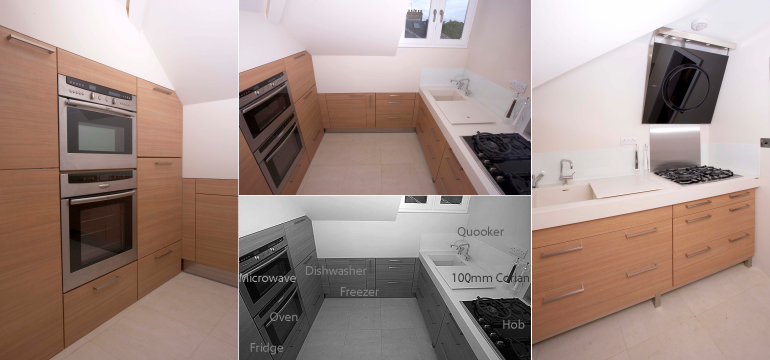
The kitchen and bathroom are arguably the most difficult rooms to optimize in a small apartment. Both require specific fixtures, plumbing connections, and sufficient workspace, yet they are often the tiniest rooms in Hungarian apartments. A typical panel flat kitchen in Budapest might measure just 5 to 7 square meters, while bathrooms are often 3 to 4 square meters. Despite these constraints, thoughtful design can make these essential rooms both functional and pleasant to use.
Kitchen: Working with a Compact Layout
The layout of a small kitchen determines how efficiently you can cook, clean, and store supplies. Understanding the standard kitchen configurations helps you choose the best approach for your particular space.
Layout options for narrow kitchens
Most small Hungarian kitchens work best with either a galley layout (counters and cabinets on two parallel walls) or an L-shaped arrangement. The galley layout is particularly efficient because it keeps everything within arm's reach. Maintain at least 90 centimeters of clearance between opposing counters for comfortable movement.
An L-shaped kitchen works well when one wall has a window. Place the sink beneath the window for natural light during washing up, and extend the counter along the adjacent wall for prep space. If floor space allows, a small rolling cart or butcher block island can provide additional work surface and be tucked away when not needed.
Maximizing kitchen storage
In a small kitchen, unused vertical space is wasted opportunity. Install upper cabinets that extend all the way to the ceiling. The top shelves store items you use infrequently, such as seasonal baking supplies or serving platters, while everyday dishes and spices stay at eye level.
Inside cabinets, use stackable shelf risers to double the usable space. Pull-out drawer inserts transform deep cabinets into organized storage. On the walls, consider a pegboard or magnetic knife strip to free up counter and drawer space. A magnetic spice rack mounted on the side of the refrigerator keeps seasonings accessible without claiming cabinet territory.
Appliance selection for small kitchens
Choose appliances proportioned to your space. A slim 45-centimeter dishwasher fits where a standard 60-centimeter model cannot. Combination microwave-ovens eliminate the need for separate countertop appliances. A two-burner induction cooktop paired with a compact oven occupies less space than a full-range cooker while still handling most cooking tasks.
In Hungary, retailers like Media Markt and Euronics carry slim-format appliances specifically designed for compact kitchens, often at competitive prices during seasonal sales.
Kitchen Design Tips Specific to Hungary
Many Hungarian panel flat kitchens have a small ventilation shaft that limits wall cabinet placement. Work around this by using the shaft as a vertical display niche or mount narrow shelves on either side of it. Gas connections in older Budapest apartments may dictate stove placement, so plan your layout around existing utility points unless you are prepared for the cost of relocating pipes.
Water pressure in older buildings can be variable. When choosing a kitchen faucet, opt for models with aerators that maintain good flow even at lower pressures, which also helps conserve water.
Bathroom: Making Every Centimeter Count
Small bathrooms demand ruthless efficiency. The good news is that the compact bathroom market has expanded significantly in recent years, with manufacturers offering fixtures specifically designed for tight spaces.
Fixture selection
A wall-hung toilet saves approximately 15 centimeters of floor depth compared to a traditional floor-mounted model and makes the bathroom easier to clean. Pair this with a wall-hung vanity unit that provides storage while keeping the floor visible, which makes the room feel larger.
For bathing, a walk-in shower with a frameless glass panel is more space-efficient than a full shower enclosure with a door. If you prefer a bathtub, asymmetric corner tubs are designed to fit small bathrooms while still offering a comfortable soak. Some models combine a compact tub with a shower screen for dual functionality.
Storage in tiny bathrooms
A recessed medicine cabinet built into the wall between studs provides storage without projecting into the room. If your walls cannot accommodate recessed storage, a slim over-toilet shelf unit makes use of the often-wasted space above the tank.
Corner shelving units, either freestanding or wall-mounted, exploit the bathroom geometry. Inside the shower area, built-in niches for shampoo and soap eliminate the need for hanging caddies that crowd the space. If you are renovating, consider having niches tiled into the shower wall during construction.
Visual tricks for small bathrooms
Large-format tiles with minimal grout lines create a smoother, more expansive visual effect compared to small mosaic tiles. Using the same tile on both walls and floors blurs the boundary between surfaces and makes the room appear larger. Light colors, particularly soft whites and warm grays, reflect light and open up the space.
A large mirror above the vanity is essential. For maximum effect, extend the mirror the full width of the vanity wall. Backlit mirrors add ambient light that softens shadows and enhances the sense of space without requiring additional fixtures.
Budget Considerations
Renovating a kitchen or bathroom in Hungary varies significantly in cost depending on the scope of work. A basic kitchen refresh, including painting cabinets, replacing hardware, and adding organizational accessories, can be achieved for 100,000 to 300,000 HUF. A full kitchen renovation with new cabinets and appliances typically ranges from 1 to 3 million HUF depending on materials and the complexity of plumbing or electrical changes.
Bathroom renovations tend to cost between 500,000 and 2 million HUF for a complete overhaul, including new fixtures, tiling, and plumbing. For budget-conscious renovators, focusing on cosmetic changes like new tiles, paint, and accessories can significantly refresh the room at a fraction of the cost.
The smallest rooms in your apartment demand the greatest creativity. When every centimeter matters, good design is not a luxury but a necessity that directly impacts your daily quality of life.
Recommended Resources
Last updated: March 3, 2026